
Dirección de la Oficina
Esmeralda 816, Puerto Natales, Natales, Magallanes y la Antártica Chilena, Chile
Número de Teléfono
+56 9 32072680
Dirección de Correo Electrónico
ventas@kalitravel.co
Esmeralda 816, Puerto Natales, Natales, Magallanes y la Antártica Chilena, Chile
+56 9 32072680
ventas@kalitravel.co
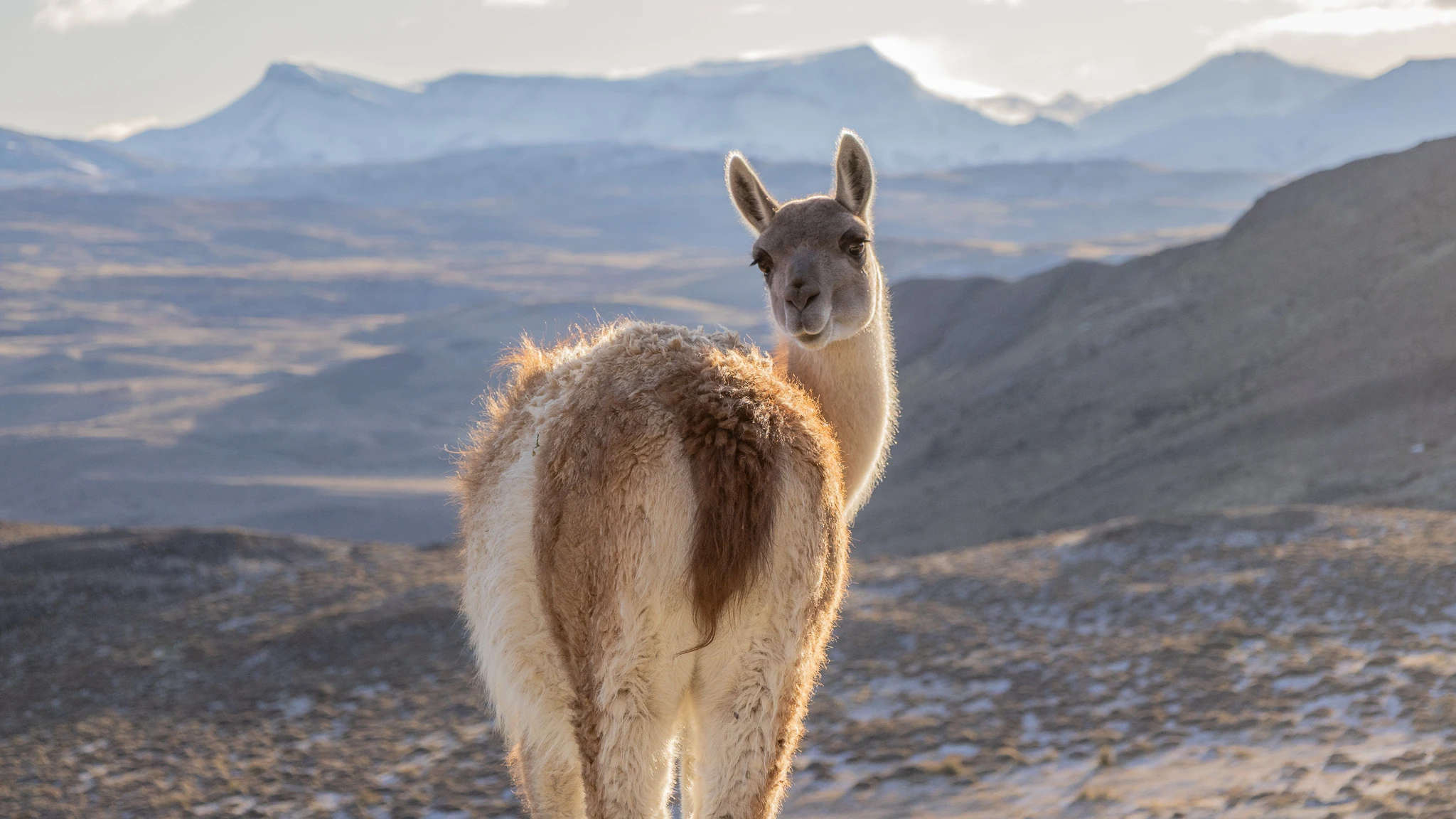
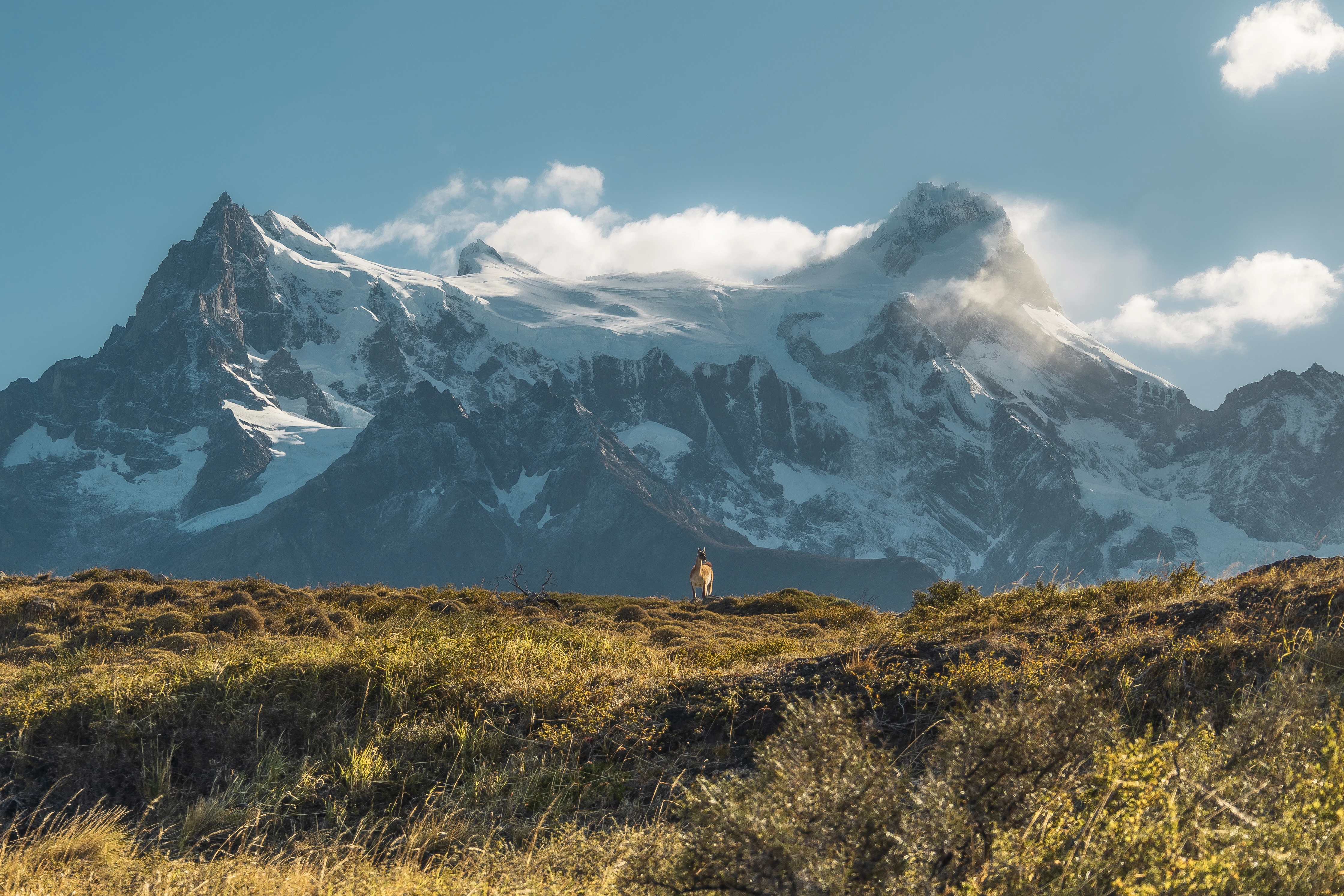
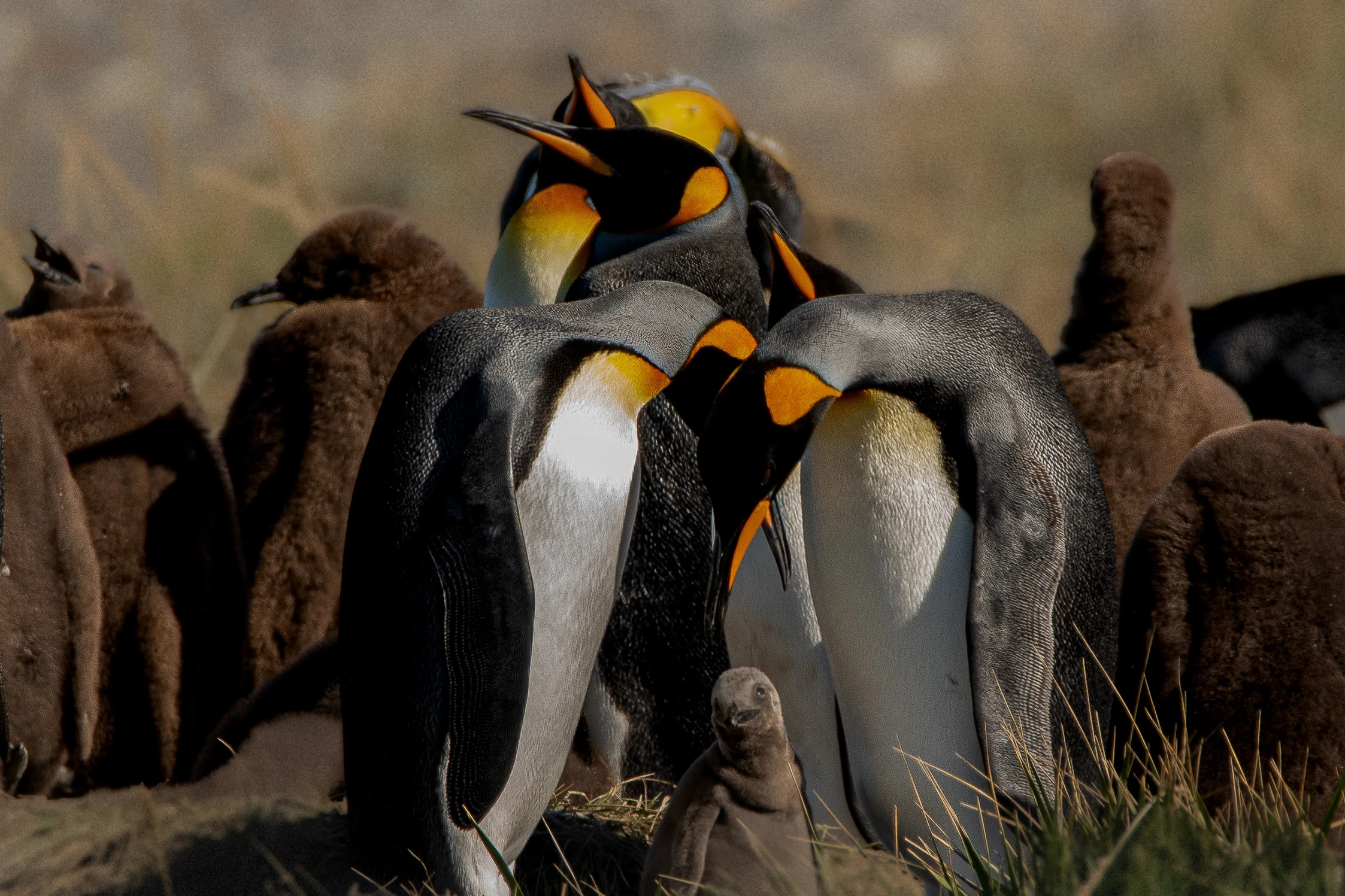
The first time you watch a guanaco stop mid-step, stare across the steppe, and silently signal that something larger is near, you understand why a Torres del Paine wildlife safari is not just a scenic drive. It is a slow, alert way of traveling through Patagonia - one shaped by wind, light, tracks, and the behavior of animals that still move on their own terms. For travelers who care about wildlife, photography, and meaningful access, this experience offers far more than a checklist. The park and its surrounding lands hold one of South America’s most compelling concentrations of visible fauna, but the quality of the encounter depends on timing, guide expertise, and a willingness to let nature set the pace.
A Patagonia trip can fall apart long before you arrive. Not because the landscape disappoints, but because distances are longer than they look, weather changes by the hour, and the wrong sequence of lodges, trails, and drives can turn a dream trip into a rushed one. That is why custom Patagonia itinerary planning matters so much here. In a place this vast, a good itinerary is not just a schedule. It is the difference between seeing Patagonia and actually experiencing it. For many travelers, the first instinct is to build a trip around famous names alone - Torres del Paine, El Calafate, El Chalten, maybe a glacier boat trip, maybe a few hikes. The problem is that Patagonia does not reward box-checking. It rewards thoughtful pacing, local timing, and clear priorities. If wildlife is your reason for coming, your days should not look like a trekking-focused program. If photography is the priority, sunrise access, wind direction, and flexible stops matter more than covering extra ground.