
Dirección de la Oficina
Esmeralda 816, Puerto Natales, Natales, Magallanes y la Antártica Chilena, Chile
Número de Teléfono
+56 9 32072680
Dirección de Correo Electrónico
ventas@kalitravel.co
Esmeralda 816, Puerto Natales, Natales, Magallanes y la Antártica Chilena, Chile
+56 9 32072680
ventas@kalitravel.co
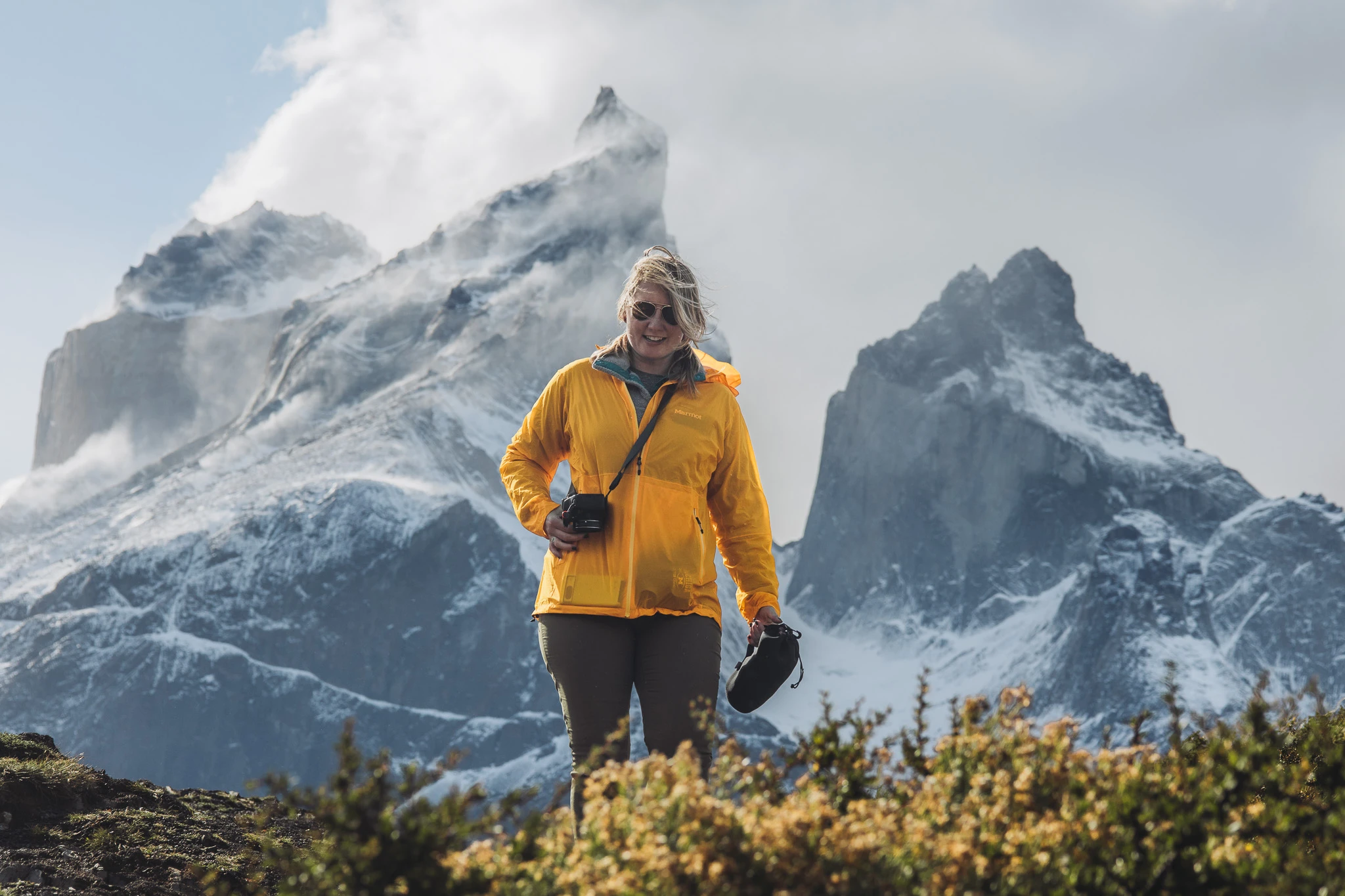
At its best, custom Patagonia itinerary planning starts with a simple question: what kind of traveler are you once you are actually on the ground? Not on a wish list, but in real life. Some people are happy leaving before dawn for puma tracking and staying out until the last light. Others want meaningful wildlife encounters, but with slower mornings, comfortable lodges, and shorter drives. Both are valid. They just require different design.
A tailored itinerary also accounts for the rhythm of Patagonia itself. Weather windows can shape when to hike exposed trails. Wildlife activity affects the best departure times. Road conditions, border crossings, and park entry logistics can eat up more time than first-time visitors expect. Even travelers with strong planning skills often underestimate how much energy is lost when transitions are stacked too tightly.
The value of a custom approach is not luxury for its own sake. It is precision. You spend more time where your interests are strongest and less time recovering from inefficient logistics.
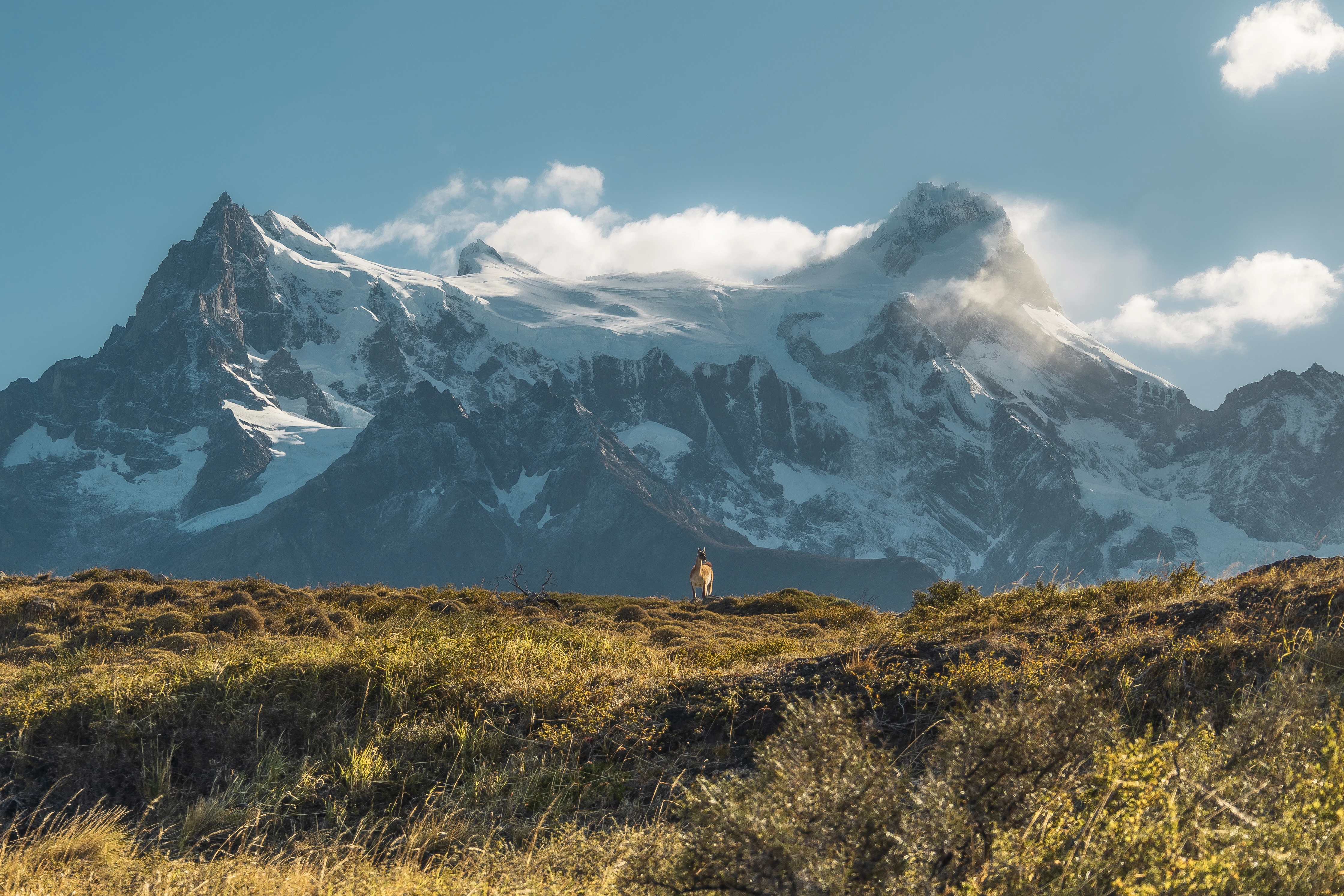
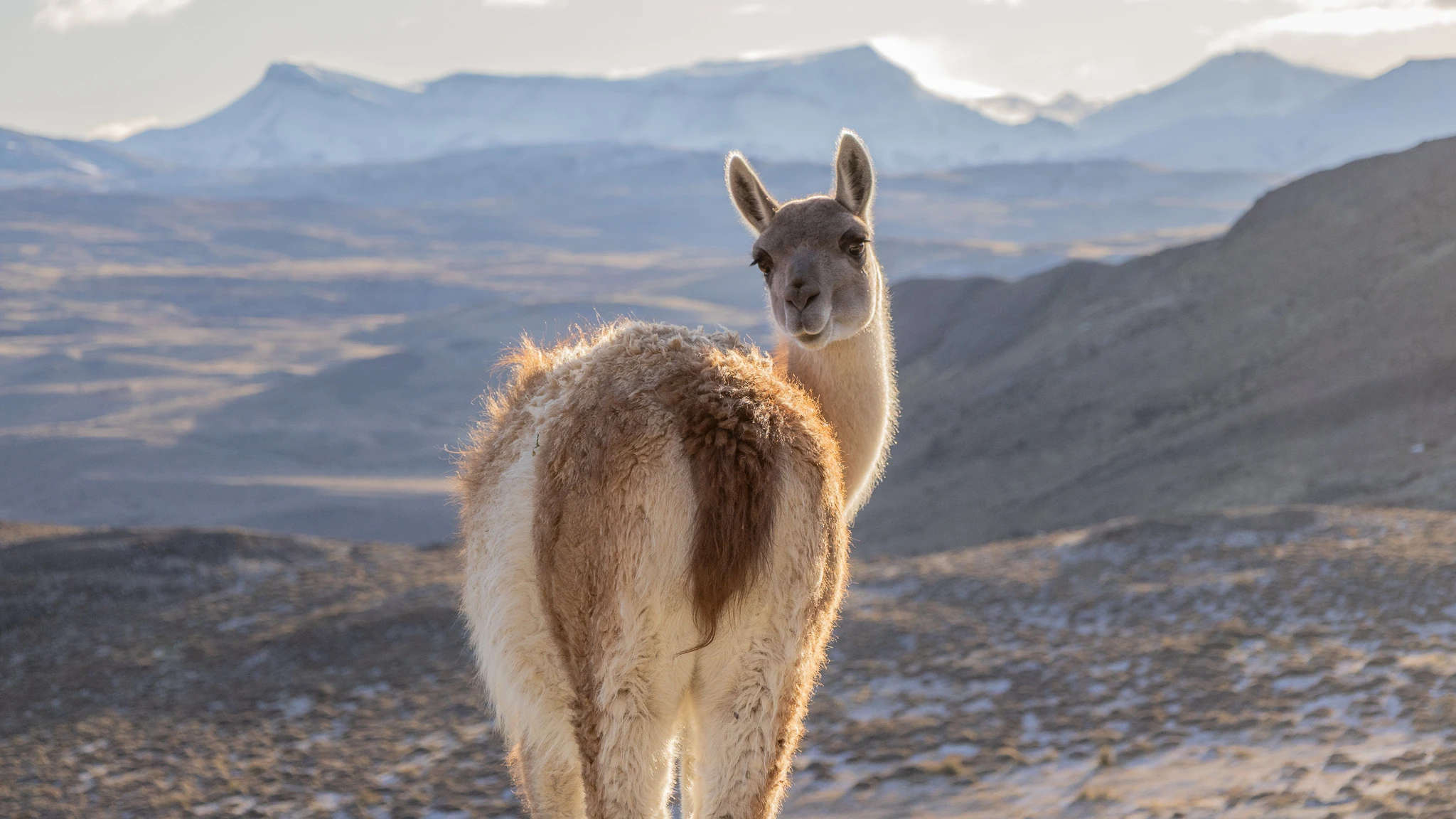
The most effective itineraries begin by narrowing the trip's purpose. Patagonia offers enough variety to create very different journeys under the same regional label. A wildlife traveler may want multiple days focused on puma tracking, guanacos, foxes, condors, and birdlife, with guides who understand animal behavior and ethical observation distances. A photographer may need private transportation, flexible stops, and lodging selected for light and location rather than amenities alone. A trekking traveler may be willing to trade comfort for access to longer routes.
Trying to combine all of this in one short trip is where people usually make mistakes. It can be done, but there are trade-offs. If you add major hikes, full-day wildlife sessions, scenic drives, and cross-border travel into six or seven days, something gives. Usually that something is rest, spontaneity, or the ability to adapt to weather.
A stronger approach is to decide what deserves the best hours of your day. In Patagonia, the best hours are rarely midday. Dawn and dusk are often the moments that define a trip, especially for wildlife and photography. Once you accept that, the rest of the itinerary becomes easier to shape.
This is one of the least glamorous parts of trip design, but it matters. A private wildlife-focused program with early departures should not be paired with constant hotel changes. A demanding trekking stretch should be followed by recovery time, not another all-day transfer. Comfort is not separate from adventure here. It supports it.
For couples and private groups especially, the right pace often creates a more memorable trip than the longest list of stops. Patagonia has a way of rewarding travelers who leave room for the unexpected - a sudden burst of golden light, a condor circling close, a longer wildlife encounter than planned, or a day that needs to be rearranged because the wind has other ideas.
Any serious custom Patagonia itinerary planning has to start with seasonality. Not just average temperatures, but what each period is actually good for.
Spring usually brings strong wildlife energy, fewer crowds than peak summer, and excellent photographic contrast. Summer offers long daylight hours and broad access, but also more visitors and the need for earlier booking, especially for high-demand services and lodging. Fall can be extraordinary for color, atmosphere, and softer travel rhythms, though daylight is shorter and some services become more limited as the season advances.
There is no universal best month. It depends on what you want most. For puma tracking, shoulder season timing can be particularly rewarding. For major trekking ambitions, access, daylight, and trail conditions may shape the answer differently. For photographers, cloud movement, lower-angle light, and reduced traffic may matter more than warm temperatures.
This is where local guidance becomes especially valuable. Patagonia is not a destination where generic seasonal advice is enough. The same month can feel ideal for one traveler and poorly chosen for another.
A beautiful Patagonia itinerary on paper can still fail if the logistics are careless. Distances between gateways, parks, estancias, trailheads, and lodges are not trivial. Neither are luggage handling, meal timing, or the coordination between guided activities and independent exploration.
One common mistake is assuming that every transfer day still has room for a meaningful excursion. Sometimes it does. Often it does not, at least not without making the day feel rushed. Another is booking accommodations based only on price or views, without considering how their location affects early starts and evening returns.
Transportation style also changes the quality of the trip. Shared transfers may work well for travelers on a straightforward route, but private transportation gives photographers, families, and wildlife-focused travelers more control over stops, timing, and comfort. The right choice depends on your priorities and budget, not on a fixed rule.
Not every excellent guide is excellent for every kind of trip. A strong trekking guide may not be the best fit for a photography-centered day. A naturalist with deep wildlife knowledge brings a different kind of value than a driver handling a point-to-point transfer. On specialized trips, certified local guides are not just a nice addition. They shape what you notice, how you move through the landscape, and how responsibly you interact with it.
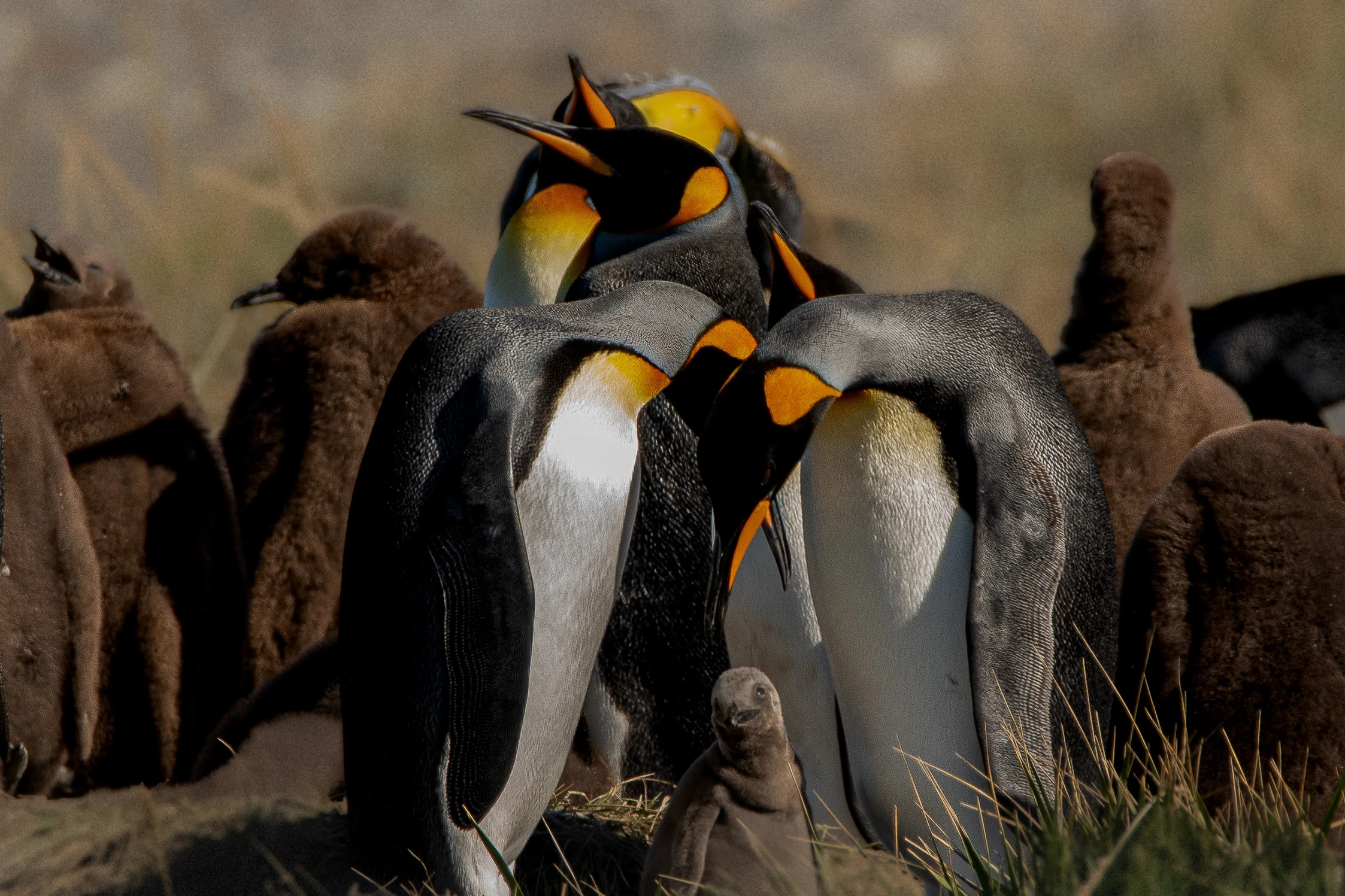
That is especially true for wildlife experiences. Ethical encounters depend on judgment, field knowledge, and restraint. The best days in Patagonia are not about chasing sightings at any cost. They are about understanding the terrain, reading behavior, and knowing when patience is the right decision.
The strongest Patagonia journeys usually feel lighter on paper than travelers expect. Fewer hotels. Fewer unnecessary transitions. More time in the field. More flexibility built around weather and light. More alignment between the day’s structure and the reason you came.
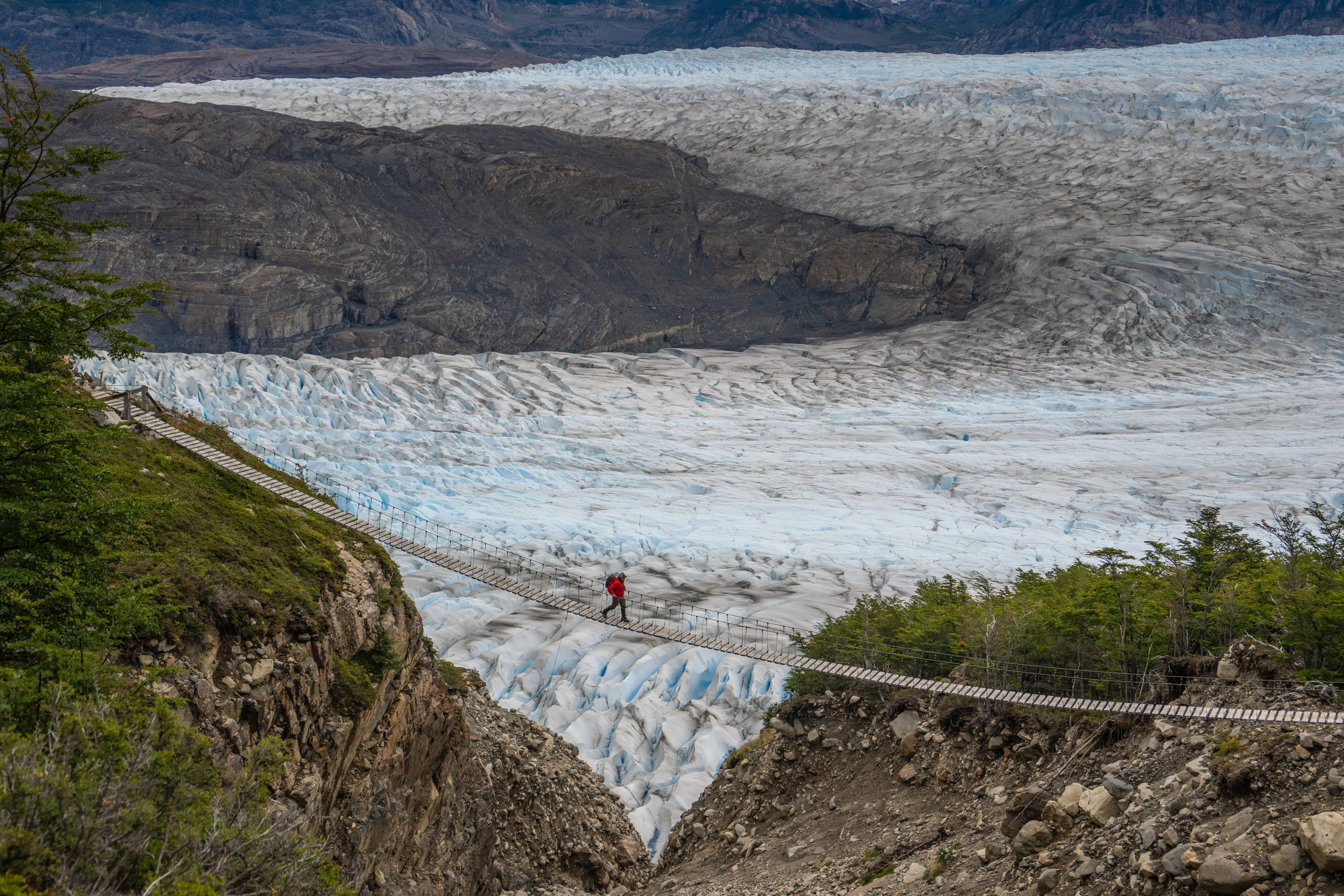
If your goal is to immerse yourself in Torres del Paine, for example, a better plan may be to stay longer in one well-positioned area and combine wildlife watching, scenic exploration, and selected hikes with intention. That often delivers more than a broader itinerary that includes multiple regions without enough time to absorb any of them.
The same principle applies to mixed-interest travelers. If one person is passionate about photography and the other values comfort and scenery, a custom itinerary can balance both. You do not always need separate trips or a compromise that satisfies no one. You need smart sequencing and honest expectations.
This is where a specialist operator can make a real difference. A company like Kali Travels brings more than reservations. It brings territorial knowledge, access to the right guides and transport, and the ability to shape a trip around your priorities rather than forcing your priorities into a prebuilt package.
Before locking in flights and hotels, it helps to answer a few practical questions with complete honesty. How many early starts are you actually willing to do? Are you comfortable changing hotels often, or do you prefer a stable base? Is this trip about iconic landscapes, serious wildlife observation, photography, trekking, or a blend? How much flexibility do you want once you arrive?
Those answers are not minor details. They are the foundation of a trip that feels personal instead of generic. Patagonia asks for decisions. The reward is that when those decisions are made well, the experience feels effortless in all the right ways.
A good itinerary should leave space for wonder without leaving the important parts to chance. In Patagonia, that balance is where the trip becomes unforgettable.
Tu dirección de correo no será publicada. Los campos requeridos están marcados *