
Dirección de la Oficina
Esmeralda 816, Puerto Natales, Natales, Magallanes y la Antártica Chilena, Chile
Número de Teléfono
+56 9 32072680
Dirección de Correo Electrónico
ventas@kalitravel.co
Esmeralda 816, Puerto Natales, Natales, Magallanes y la Antártica Chilena, Chile
+56 9 32072680
ventas@kalitravel.co
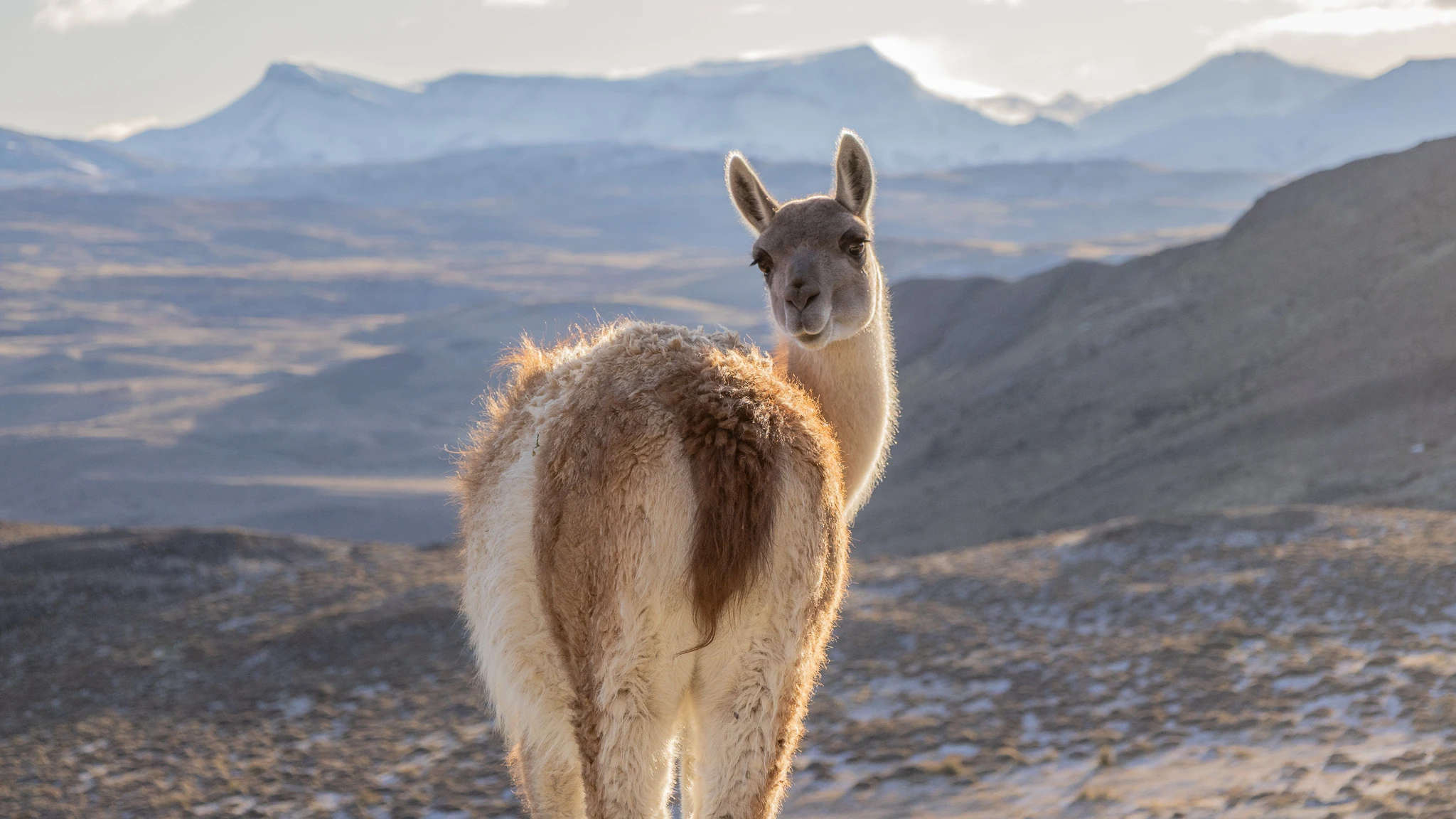
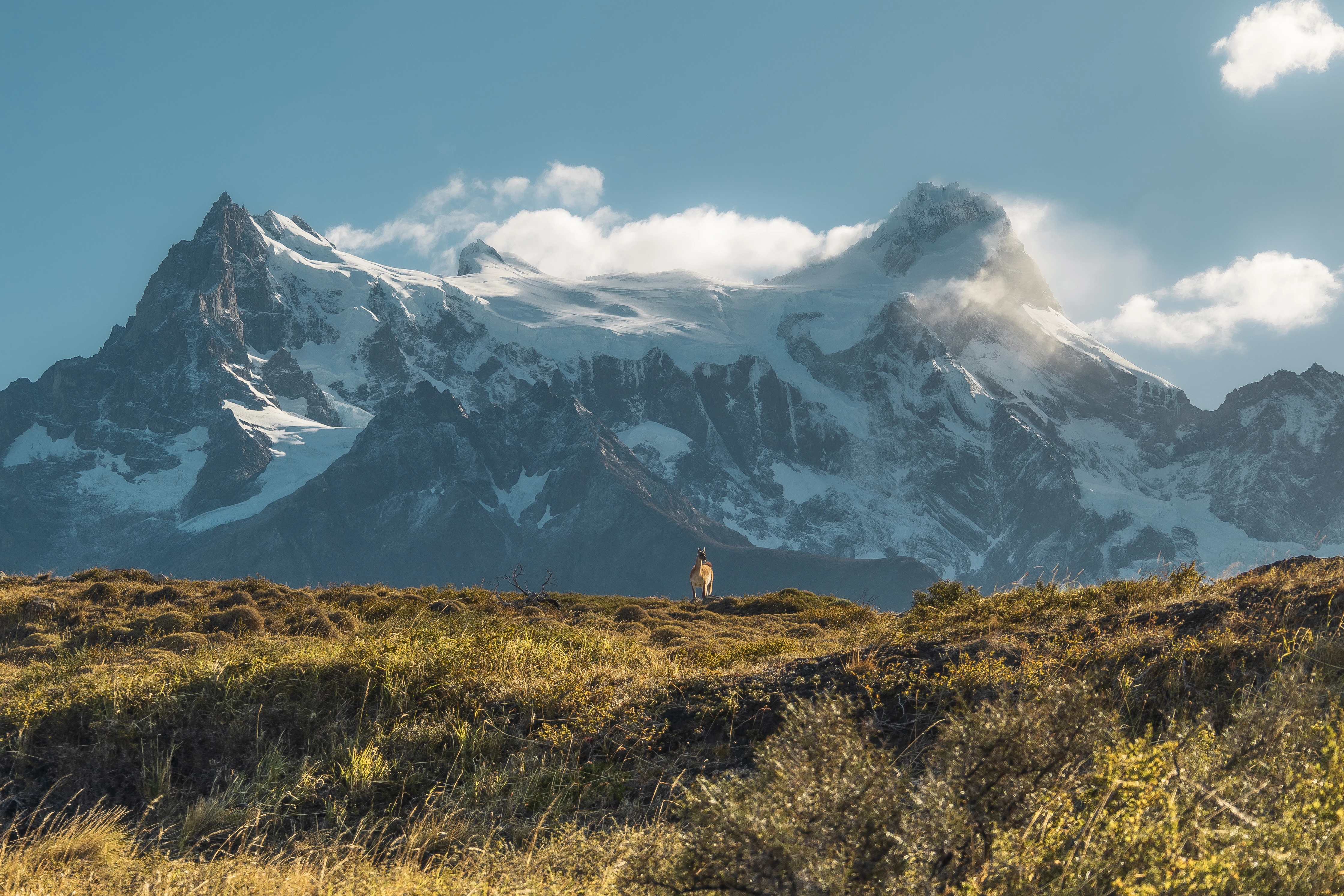
Some wildlife destinations reward patience with a single dramatic sighting. Torres del Paine often gives you a richer rhythm than that. Over the course of a day, it is possible to observe guanacos grazing in open valleys, condors riding thermals above cliffs, foxes moving along lake edges, and rheas crossing the grasslands with surprising speed. In the right areas and conditions, even elusive species like pumas can become part of the story.
What sets the safari apart is visibility. Patagonia’s open terrain creates unusual opportunities for observation, especially when guided by someone who understands animal movement, weather patterns, and the subtle clues that most visitors miss. You are not peering into dense forest hoping for a brief shape in the shadows. You are reading a living landscape.
That said, wildlife here is never guaranteed. A premium safari is not about forcing sightings. It is about increasing your chances through local knowledge, strategic routing, and time spent in the habitats where animals are most active.
A strong Torres del Paine wildlife safari usually begins with the species that define the ecosystem. Guanacos are the most constant presence. They are everywhere for a reason: they are a foundation species, prey for pumas, and one of the clearest indicators of what is happening around you. Their behavior often reveals tension in the landscape before your guide says a word.
Andean condors are another highlight. Seeing one overhead is memorable. Seeing several using the wind along a ridge is something else entirely. Their scale becomes clear only when they bank low enough for you to register the full span of their wings.
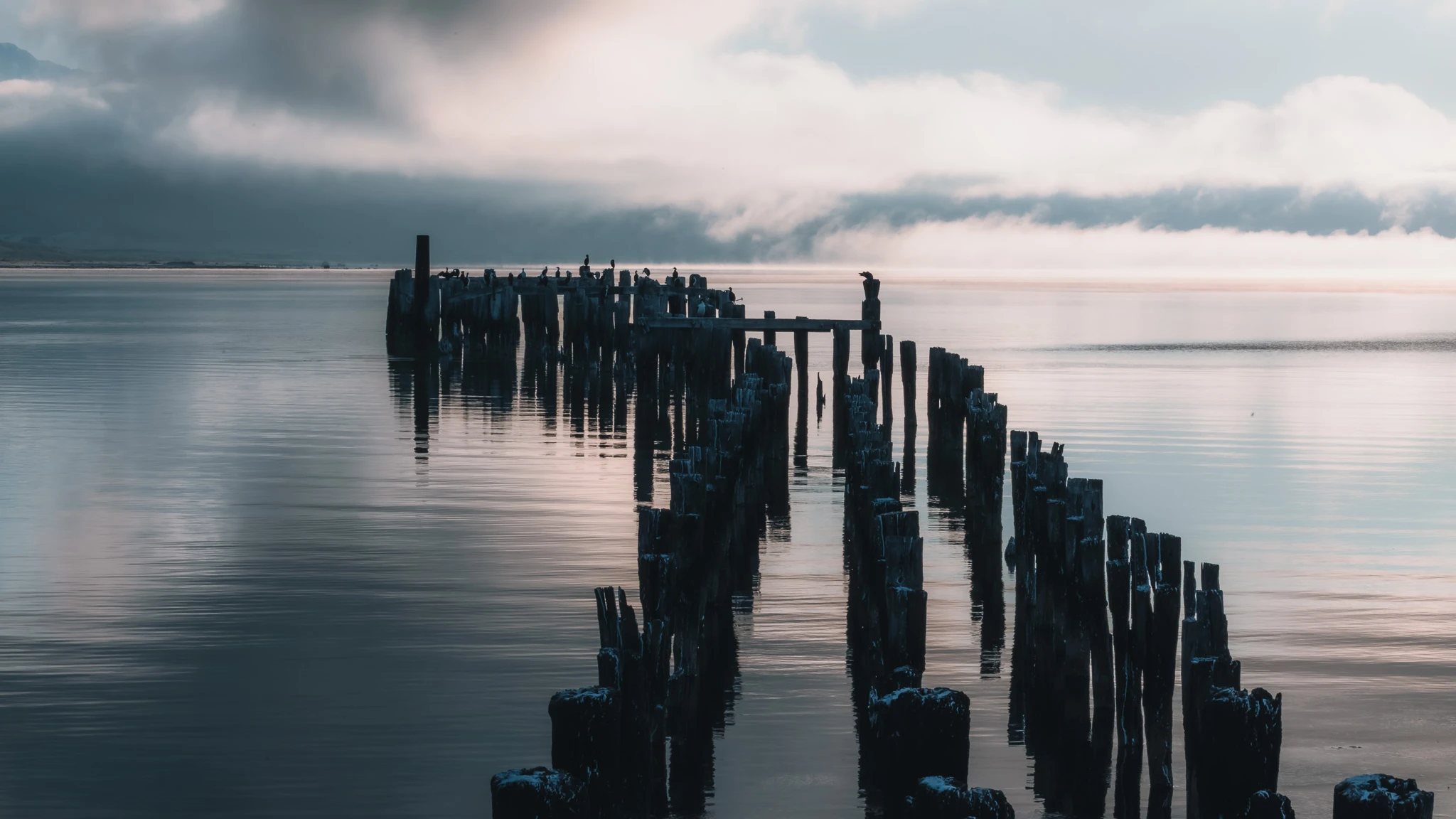
You may also encounter gray foxes, culpeo foxes, lesser rheas, black-chested buzzard-eagles, flamingos in certain lagoons, and a range of waterbirds around lakes and wetlands. The variety surprises many visitors who arrive focused only on the mountains.
Then there is the puma. For many travelers, it is the dream sighting. It is also where expectations need balance. Pumas are more regularly observed in this region than in many other parts of the world, especially in areas bordering the park where prey is abundant and wildlife monitoring has advanced. But this is still a wild predator, not a staged attraction. Ethical tracking requires distance, restraint, and respect.
Season matters, but there is no single perfect month for every traveler. It depends on what you value most.
Spring and early summer bring long daylight hours, active birdlife, and landscapes that feel especially dynamic. This period can be excellent for general wildlife observation and photography, though winds can be strong and weather shifts quickly.
Mid-summer offers easier logistics and full access to many routes, but it also brings more visitors. If your priority is a quieter experience with more flexibility around timing and stops, shoulder season often feels more rewarding.
Fall is a favorite for many photographers. The light softens, colors deepen, and the pace of the park changes. Wildlife remains active, and the visual mood of the region becomes richer. The trade-off is colder weather and shorter days.
For puma-focused outings, timing is even more specific. Early mornings and late afternoons tend to be most productive, and a specialist guide can make a major difference in using those windows well.
The best safaris are designed around animal behavior, not around rushing from viewpoint to viewpoint. That often means early departures, flexible stops, and a route that can change in response to fresh tracks, weather, or guide reports from the field.
A good day in the field includes time to scan, wait, reposition, and observe without pressure. It also includes understanding why you are in a specific area at a specific hour. Open plains, lake margins, forest edges, and rocky outcrops all serve different species differently. The guide’s role is not only to spot animals but to interpret habitat.
Private or small-group formats usually deliver the best results. They allow for quieter observation, more room for photographers, and the freedom to linger when a meaningful sighting happens. That matters. Wildlife encounters rarely follow a schedule, and a rigid itinerary can flatten what should feel alive.
For photographers, this region is generous but demanding. The scenery is expansive, the weather changes quickly, and subjects can move from distant silhouettes to close roadside encounters in minutes. Preparation helps, but so does humility. Patagonia has a way of reminding even experienced photographers that control is limited.
Light is one of the great advantages here. Early and late hours bring texture to the steppe, shape to the mountains, and a softness that works beautifully for wildlife. Harsh midday sun can still produce excellent images, especially of birds in flight or animals set against dramatic terrain, but the strongest wildlife sessions often happen at the edges of the day.
Lens choice depends on your priorities. A longer telephoto is useful for pumas, foxes, and birds, while a mid-range zoom can be perfect when guanacos or condors come closer than expected. Many travelers overpack gear and underestimate the value of mobility. In a place where weather can shift fast, a lighter setup sometimes gives you better results.
The real advantage, though, is guidance. A local specialist can position you with the light, anticipate movement, and help you work respectfully around wildlife rather than reacting too late.
Wildlife travel in Patagonia has grown, and that creates both opportunity and pressure. Increased interest can support conservation-minded tourism and local livelihoods, but only if encounters are handled responsibly.
That means keeping appropriate distance, never baiting or calling animals, avoiding crowding around sightings, and understanding when not to approach. This is especially important with pumas. A great sighting is not one where the animal is stressed or boxed in. It is one where natural behavior continues because your presence remains controlled and unobtrusive.
Travelers who choose certified guides and professionally managed outings are usually making a better decision not only for themselves but for the landscape. Expertise protects the experience. It keeps wildlife first, which is exactly why the moments feel real.
A Torres del Paine wildlife safari is ideal for travelers who want more depth than a standard scenic visit. It suits photographers, nature-focused couples, private groups, and independent travelers who value access, interpretation, and thoughtful pacing.
It is also a strong fit for people who may not want a trekking-heavy itinerary every day but still want to experience Patagonia in a vivid, active way. You do not need to be an expert naturalist to enjoy it. You do need curiosity, patience, and an interest in seeing the region through something other than its postcard viewpoints.
If your main priority is checking off famous landmarks as quickly as possible, a wildlife safari may feel too slow. If you want your trip to feel personal, informed, and connected to the living territory, it can become the part you remember most.
The difference between an average outing and an exceptional one usually comes down to planning. Wildlife activity changes by season, and so do road conditions, daylight hours, and crowd patterns. A tailored itinerary can combine safari days with trekking, photography sessions, or private transfers in a way that uses your time far more intelligently.
This is where a local operator with field knowledge adds real value. Kali Travels, for example, builds wildlife-focused experiences around current conditions rather than fixed assumptions. That matters in Patagonia, where yesterday’s weather, this morning’s movement, and your personal interests should all shape the day.
The strongest itineraries leave space for surprise. They give you structure without overfilling the schedule, and they recognize that one unforgettable encounter can be worth more than six rushed stops.
Patagonia does not reward haste. On a well-designed wildlife safari, that becomes a gift. You start noticing the warning call of a bird, the sudden stillness of a herd, the shadow circling high above the ridge. And somewhere in that sharpened attention, the landscape stops feeling like scenery and starts feeling alive.
Tu dirección de correo no será publicada. Los campos requeridos están marcados *